| Show Full Syllabus | |||||||||||||||||||||||||||||||||||||||||
Unit 1: Course IntroductionView Tasks
End of Unit 1
Unit 2: GCI OrientationView Tasks
End of Unit 2
Unit 3: Daily life and resources in GalileeView Tasks
End of Unit 3
Unit 4: LensesView Tasks
End of Unit 4
Unit 5: Program Goals and Curriculum ReviewView Tasks
End of Unit 5
Unit 6: Course Review and ExamView Tasks
|
Course DescriptionIn the weeks leading up to on-campus coursework in Northern Israel, GCI offers an online introductory course that serves as a program orientation. The course familiarizes students with GCI faculty and staff, fellow classmates, reviews the curriculum and facility, and most importantly, instills select analytical frameworks necessary to explore food deeply. Each course includes core knowledge, hands-on activities, followed by a deeper exploration of specialized topics. Discover refers to becoming acquainted with and investigating a subject matter widely. During the Engage phases, students choose areas of interests for a customized approach to the subject. Finally Create means generating your own knowledge, service, or product. GCI provides ample opportunities for directed and independent work and research on food topics through lenses that match the four culinary personae—Storyteller, Activist, Entrepreneur, and Specialist. These three theoretical lenses serve as a tool for complex reasoning and information processing skills in the problem-solving process. The fourth lens, Specialist, is mostly applied and practical skills and tools for culinary operators and chefs. Storytelling refers to applied communications and food media. This lens covers aspects of marketing, branding, and multimedia production, among others. It is about the concise and effective use of communications and marketing to connect each other through history, heritage, food and communal values. Activism focuses on community and culinary culture, a vast field that encompasses elements such as food preferences, geography, social life, health, recreation, customs, habits, and norms. Students explore various reasons why people and groups make certain food choices through impactful, collaborative, and creative engagement with area businesses, non-profits, and individuals on issues that matter, collectively solving local and global problems. Finally, Entrepreneurship empowers students to test market ideas and collaborate with food professionals, investors, marketers, and other entrepreneurs to establish the Galilee as a center of food innovation and tradition. Course HighlightsCourse Objectives
|
||||||||||||||||||||||||||||||||||||||||
In the weeks leading up to on-campus coursework in Northern Israel, GCI offers an online introductory course that serves as a program orientation. The course familiarizes students with GCI faculty and staff, fellow classmates, reviews the curriculum and facility, and most importantly, instills select analytical frameworks necessary to explore food deeply. Each course includes core knowledge, hands-on activities, followed by a deeper exploration of specialized topics. Discover refers to becoming acquainted with and investigating a subject matter widely. During the Engage phases, students choose areas of interests for a customized approach to the subject. Finally Create means generating your own knowledge, service, or product. GCI provides ample opportunities for directed and independent work and research on food topics through lenses that match the four culinary personae—Storyteller, Activist, Entrepreneur, and Specialist.
These three theoretical lenses serve as a tool for complex reasoning and information processing skills in the problem-solving process. The fourth lens, Specialist, is mostly applied and practical skills and tools for culinary operators and chefs. Storytelling refers to applied communications and food media. This lens covers aspects of marketing, branding, and multimedia production, among others. It is about the concise and effective use of communications and marketing to connect each other through history, heritage, food and communal values. Activism focuses on community and culinary culture, a vast field that encompasses elements such as food preferences, geography, social life, health, recreation, customs, habits, and norms. Students explore various reasons why people and groups make certain food choices through impactful, collaborative, and creative engagement with area businesses, non-profits, and individuals on issues that matter, collectively solving local and global problems. Finally, Entrepreneurship empowers students to test market ideas and collaborate with food professionals, investors, marketers, and other entrepreneurs to establish the Galilee as a center of food innovation and tradition.
| Show Full Syllabus | |||||||||||||||||||||||||||||||||||||||||||||||||||||||||||||||||||||||||||||||||||
Unit 1: Orientation & Course OverviewView Tasks
End of Unit 1
Unit 2: Getting StartedView Tasks
End of Unit 2
Unit 3: Farm ExperienceView Tasks
End of Unit 3
Unit 4: Food & Kitchen SafetyView Tasks
End of Unit 4
Unit 5: Knives & Knife CutsView Tasks
End of Unit 5
Unit 6: Basic Cooking Methods: Moist-HeatView Tasks
End of Unit 6
Unit 7: EggsView Tasks
End of Unit 7
|
Course DescriptionThe introductory kitchen course focuses on making students fluid and fluent in an operational kitchen environment. Built on the day-in-the-life experience and philosophy of GCI founding Chef Lior Lev Sercarz for culinary success, new students establish kitchen order with daily station set-up, facility organization, and habits of mind. Foundational lessons in the application of sanitation and safety practices, use and maintenance of tools and equipment, and mastering knife skills prepare students to cook. Food production begins with purchasing and storeroom fundamentals, product identification, pantry set up, and then on to light fabrication and food preparation. Throughout the instruction, students explore the larger food cycle and system, visit farms, and support regenerative and sustainable agriculture, and waste management to include recycling and composting. Course Highlights
Course Objectives
|
||||||||||||||||||||||||||||||||||||||||||||||||||||||||||||||||||||||||||||||||||
The introductory kitchen course focuses on making students fluid and fluent in an operational kitchen environment. Built on the day-in-the-life experience and philosophy of GCI founding Chef Lior Lev Sercarz for culinary success, new students establish kitchen order with daily station set-up, facility organization, and habits of mind. Foundational lessons in the application of sanitation and safety practices, use and maintenance of tools and equipment, and mastering knife skills prepare students to cook. Food production begins with purchasing and storeroom fundamentals, product identification, pantry set up, and then on to light fabrication and food preparation. Throughout the instruction, students explore the larger food cycle and system, visit farms, and support regenerative and sustainable agriculture, and waste management to include recycling and composting.
| Show Full Syllabus | |||||||||||||||||||||||||||||||||||||||||||||||||||||||||||||||
Unit 1: Course Introduction (copy) (copy)View Tasks
End of Unit 1
Unit 2: Food CultureView Tasks
End of Unit 2
Unit 3: Case studies in wheat, olives, and wineView Tasks
End of Unit 3
Unit 4: Community food activismView Tasks
Unit 5: Basics of Smartphone Food PhotographyView Tasks
End of Unit 5
Unit 6: Food relationshipsView Tasks
End of Unit 6
Unit 7: Baking Basics & Breads (copy)View Tasks
End of Unit 7
Unit 8: Course Review and Exam (copy) (copy)View Tasks
|
Course DescriptionTo be truly effective in community food activism, professionals need a thorough grounding in food culture. The term food culture from an anthropological perspective examines ethnicity and cultural heritage within families and communities. Food culture also includes food preferences, geography, social life, health, recreation, customs, habits, and norms. Students explore why people and groups make certain food choices through impactful, collaborative, and creative engagement with area businesses, non-profits, and individuals on issues that matter, collectively solving local and global problems. Using case studies in wheat, olives, and wine (WOW), students explore how food culture defines a society by creating connections among beliefs, ethnicity, identity and cultural heritage. The course also identifies regional eastern Mediterranean cuisines and explores culinary identity and nationalism through field trips, tastings, and cooking. Empowering activist chefs to implement creative solutions around food, feed communities, as well as to address food insecurity, hunger relief, and food recovery is the ultimate goal. Students learn to safely, efficiently, and economically serve the community in times of need. Students can repeatedly use the lens of activism to unleash the power of food for social impact. Course HighlightsCourse Objectives
|
||||||||||||||||||||||||||||||||||||||||||||||||||||||||||||||
To be truly effective in community food activism, professionals need a thorough grounding in food culture. The term food culture from an anthropological perspective examines ethnicity and cultural heritage within families and communities. Food culture also includes food preferences, geography, social life, health, recreation, customs, habits, and norms. Students explore why people and groups make certain food choices through impactful, collaborative, and creative engagement with area businesses, non-profits, and individuals on issues that matter, collectively solving local and global problems. Using case studies in wheat, olives, and wine (WOW), students explore how food culture defines a society by creating connections among beliefs, ethnicity, identity and cultural heritage. The course also identifies regional eastern Mediterranean cuisines and explores culinary identity and nationalism through field trips, tastings, and cooking. Empowering activist chefs to implement creative solutions around food, feed communities, as well as to address food insecurity, hunger relief, and food recovery is the ultimate goal. Students learn to safely, efficiently, and economically serve the community in times of need. Students can repeatedly use the lens of activism to unleash the power of food for social impact.
| Show Full Syllabus | |||||||||||||||||||||||||||||||||||||||||||||||||||||||||||||||||||||||||||||||||||||||||||||||||
Unit 1: Course Introduction (copy)View Tasks
End of Unit 1
Unit 2: Farm operationsView Tasks
End of Unit 2
Unit 3: Salads & Dressings (copy)View Tasks
End of Unit 3
Unit 4: Regional food systemView Tasks
End of Unit 4
Unit 5: Farm maintenance, raising crops and animalsView Tasks
End of Unit 5
Unit 6: Regenerative farming practicesView Tasks
End of Unit 6
Unit 7: Food-tech and Agri-techView Tasks
End of Unit 7
Unit 8: Fermentation (copy)View Tasks
End of Unit 8
Unit 9: Vegetables (copy)View Tasks
End of Unit 9
Unit 10: Course Review and Exam (copy)View Tasks
|
Course DescriptionFood operations begin in the field and Northern Israel provides an abundant farming and agricultural setting from vegetable gardens, vineyards, orchards, citrus groves, kibbutzim, and field crops such as wheat and corn. The instruction centers on place, immersion, food systems, and geography. Israel produces among others, almonds, avocados, citrus, guavas, kiwifruit, melons, mangoes and livestock such as cattle, sheep and poultry. Galilee is famous for olives, pomegranates, grapes, wine, dates, and apples. This course introduces students to farm operations with hands-on activities in our kibbutz and campus garden. Students learn basic principles of a regional food system, farm maintenance, and raising crops and animals. Students apply regenerative farming practices, assist with seasonal farm chores, and harvest produce for GCI activities. Students also benefit from experiences and projects with Israel’s leading agri-tech industries and food-technological innovations around how food is grown, packaged, distributed and stored for efficiency, sustainability and safety. Course HighlightsCourse Objectives
|
||||||||||||||||||||||||||||||||||||||||||||||||||||||||||||||||||||||||||||||||||||||||||||||||
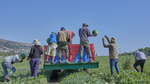
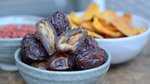
Food operations begin in the field and Northern Israel provides an abundant farming and agricultural setting from vegetable gardens, vineyards, orchards, citrus groves, kibbutzim, and field crops such as wheat and corn. The instruction centers on place, immersion, food systems, and geography. Israel produces among others, almonds, avocados, citrus, guavas, kiwifruit, melons, mangoes and livestock such as cattle, sheep and poultry. Galilee is famous for olives, pomegranates, grapes, wine, dates, and apples. This course introduces students to farm operations with hands-on activities in our kibbutz and campus garden. Students learn basic principles of a regional food system, farm maintenance, and raising crops and animals. Students apply regenerative farming practices, assist with seasonal farm chores, and harvest produce for GCI activities. Students also benefit from experiences and projects with Israel’s leading agri-tech industries and food-technological innovations around how food is grown, packaged, distributed and stored for efficiency, sustainability and safety.
| Show Full Syllabus | |||||||||||||||||||||||||||||||||||||||||||||||||||||||||||||
Unit 1: Course Introduction (copy)View Tasks
End of Unit 1
Unit 2: Marketing and brandingView Tasks
Unit 3: Cross-cultural communicationsView Tasks
End of Unit 3
Unit 4: Content for social media and learning platformsView Tasks
End of Unit 4
Unit 5: Presentations, interviews, and cooking demonstrationsView Tasks
End of Unit 5
Unit 6: Plating and designView Tasks
End of Unit 6
Unit 7: Basics of Smartphone Food Photography (copy)View Tasks
End of Unit 7
Unit 8: Course Review and Exam (copy) (copy) (copy)View Tasks
|
Course DescriptionStorytelling is a powerful tool for connecting deeply with others and countering current damaging narratives in contemporary culture. When applied to food, communication becomes a lens for learning, marketing, and self-expression as well as inspiring others. Great storytellers need to intimately understand both their subject matter and their audience to convey messages for brand narrative, growing a business, and developing content marketing strategy. Students learn the power of this tool through detailed case studies which they will then apply to their projects throughout the program. In addition to multimedia content creation, public relations, and presentations, students will practice cross-cultural communications to transmit knowledge and meaning. Using GCI’s media lab, students practice presentations, interviews, and demonstrations for live and recorded audiences. Finally, aesthetics and design principles are applied to aspects of visual media, food styling, and messaging. Course HighlightsCourse Objectives
|
||||||||||||||||||||||||||||||||||||||||||||||||||||||||||||
Storytelling is a powerful tool for connecting deeply with others and countering current damaging narratives in contemporary culture. When applied to food, communication becomes a lens for learning, marketing, and self-expression as well as inspiring others. Great storytellers need to intimately understand both their subject matter and their audience to convey messages for brand narrative, growing a business, and developing content marketing strategy. Students learn the power of this tool through detailed case studies which they will then apply to their projects throughout the program. In addition to multimedia content creation, public relations, and presentations, students will practice cross-cultural communications to transmit knowledge and meaning. Using GCI’s media lab, students practice presentations, interviews, and demonstrations for live and recorded audiences. Finally, aesthetics and design principles are applied to aspects of visual media, food styling, and messaging.
| Show Full Syllabus | |||||||||||||||||||||||||||||||||||||||||||||||||||||||||||||||||
Unit 1: Course Introduction (copy) (copy) (copy)View Tasks
End of Unit 1
Unit 2: Flavor experienceView Tasks
End of Unit 2
Unit 3: Spice selection, blends, handling, storageView Tasks
End of Unit 3
Unit 4: Flavor, Seasoning & Texture (copy)View Tasks
End of Unit 4
Unit 5: Culinary uses of spices and herbsView Tasks
End of Unit 5
Unit 6: Expressing flavor, scent and aroma sensationsView Tasks
End of Unit 6
Unit 7: Course Review and Exam (copy)View Tasks
|
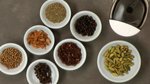
Course DescriptionTo understand the world of food, chefs must study flavor, particularly through spices, blends, oils, and pastes. Students practice describing the entire flavor experience. The goal of this course is to transform the use of spice from a final act in the cooking process to one that defines a dish, a restaurant and a chef. Spices are locally abundant and fresh with a special emphasis on Galilee specialties of akub, parsley, khalmit, mint, and fennel. Designed by Lior Lev Sercarz, GCI Chief Culinary Officer and Co-founder, this course distills three decades of his experience and expertise in spices. Travel the globe to explore flavor profiles, apply geography and history, and experiment in creative ways with spices and oil. Based on Chef Lior’s knowledge, students learn about spice selection, blends, handling, storage, and culinary uses. Through the program, students visit local growers, markets, and spice traders to examine sourcing and distribution. Course HighlightsCourse Objectives
|
||||||||||||||||||||||||||||||||||||||||||||||||||||||||||||||||
To understand the world of food, chefs must study flavor, particularly through spices, blends, oils, and pastes. Students practice describing the entire flavor experience. The goal of this course is to transform the use of spice from a final act in the cooking process to one that defines a dish, a restaurant and a chef. Spices are locally abundant and fresh with a special emphasis on Galilee specialties of akub, parsley, khalmit, mint, and fennel. Designed by Lior Lev Sercarz, GCI Chief Culinary Officer and Co-founder, this course distills three decades of his experience and expertise in spices. Travel the globe to explore flavor profiles, apply geography and history, and experiment in creative ways with spices and oil. Based on Chef Lior’s knowledge, students learn about spice selection, blends, handling, storage, and culinary uses. Through the program, students visit local growers, markets, and spice traders to examine sourcing and distribution.
| Show Full Syllabus | |||||||||||||||||||||||||||||||||||||||||||||||||||||||||||||||||||||||||||||||||||||||||||||||
Unit 1: Course Introduction (copy)View Tasks
End of Unit 1
Unit 2: Kosher facilitiesView Tasks
End of Unit 2
Unit 3: Basic Cooking Methods: Moist-Heat (copy)View Tasks
End of Unit 3
Unit 4: Basic Cooking Methods: Dry-Heat (copy)View Tasks
End of Unit 4
Unit 5: Sauces (copy)View Tasks
End of Unit 5
Unit 6: Rice & Grains (copy)View Tasks
End of Unit 6
Unit 7: How to Make Bread | Basics (copy)View Tasks
End of Unit 7
Unit 8: Course Review and Exam (copy) (copy)View Tasks
|
Course DescriptionWhile the GCI teaches global techniques and food preparation, students also practice managing a facility with separate meat and dairy kitchens according to the specific application of the principles of kashrut (the laws of kosher) and halal (permissible under Islamic dietary laws) cooking. The course introduces basic cooking methods and production, sauces and dressings, grains and legumes, and entry-level baking skills. A basic principle of kashrut mandates the complete separation of meat and dairy products. Therefore, meat fabrication and preparation are covered in Technique II. Pareve refers to neutral foods, containing or prepared without traces of meat or dairy. Students who do not follow dietary laws can also benefit by approaching the process as a disciplined system of thought that can be applied to any kitchen. Course HighlightsCourse Objectives
|
||||||||||||||||||||||||||||||||||||||||||||||||||||||||||||||||||||||||||||||||||||||||||||||
While the GCI teaches global techniques and food preparation, students also practice managing a facility with separate meat and dairy kitchens according to the specific application of the principles of kashrut (the laws of kosher) and halal (permissible under Islamic dietary laws) cooking. The course introduces basic cooking methods and production, sauces and dressings, grains and legumes, and entry-level baking skills. A basic principle of kashrut mandates the complete separation of meat and dairy products. Therefore, meat fabrication and preparation are covered in Technique II. Pareve refers to neutral foods, containing or prepared without traces of meat or dairy. Students who do not follow dietary laws can also benefit by approaching the process as a disciplined system of thought that can be applied to any kitchen.
| Show Full Syllabus | |||||||||||||||||||||||||||||||||||||||||
Unit 1: Course Introduction (copy)View Tasks
End of Unit 1
Unit 2: Financial reportsView Tasks
End of Unit 2
Unit 3: Budgeting, forecasting, financial analysisView Tasks
End of Unit 3
Unit 4: ExpensesView Tasks
End of Unit 4
Unit 5: GCI campus operationsView Tasks
End of Unit 5
Unit 6: Course Review and Exam (copy) (copy)View Tasks
|
Course DescriptionThe key to any business rests upon profitability, where revenue exceeds expenses. This course lays the foundation for sound financial practices and decision-making in food-related operations by controlling costs. Using financial reports and data from GCI’s restaurant, Cafe, and brewery, students analyze real-world campus operations as living case studies. Students evaluate food, beverage, and labor costs, practice budgeting, forecasting, financial analysis, as well as hands-on purchasing and receiving in the storeroom. The course presents flow-thru in a foodservice operation, reviews fixed, variable, and mixed expenses, and evaluates point of sales systems to include contactless payment methods in emerging technologies. Course HighlightsCourse Objectives
|
||||||||||||||||||||||||||||||||||||||||
The key to any business rests upon profitability, where revenue exceeds expenses. This course lays the foundation for sound financial practices and decision-making in food-related operations by controlling costs. Using financial reports and data from GCI’s restaurant, Cafe, and brewery, students analyze real-world campus operations as living case studies. Students evaluate food, beverage, and labor costs, practice budgeting, forecasting, financial analysis, as well as hands-on purchasing and receiving in the storeroom. The course presents flow-thru in a foodservice operation, reviews fixed, variable, and mixed expenses, and evaluates point of sales systems to include contactless payment methods in emerging technologies.
| Show Full Syllabus | |||||||||||||||||||||||||||||||||||||||||||||||||||||||||||||||||||||||||||||||||||||||||||||||||||||||||||||||||||||||||||||||||||||||||||||||||||||||||
Unit 1: Course Introduction (copy) (copy) (copy)View Tasks
End of Unit 1
Unit 2: Dietary lawsView Tasks
End of Unit 2
Unit 3: How to Make Stock (copy)View Tasks
End of Unit 3
Unit 4: Dry-Heat Cooking Methods (copy)View Tasks
End of Unit 4
Unit 5: Moist-Heat Cooking Methods (copy)View Tasks
End of Unit 5
Unit 6: PlatingView Tasks
End of Unit 6
Unit 7: Pasta (copy)View Tasks
End of Unit 7
Unit 8: Meat (copy)View Tasks
End of Unit 8
Unit 9: Poultry (copy)View Tasks
End of Unit 9
Unit 10: Fish (copy)View Tasks
End of Unit 10
Unit 11: Plant-Based Alternatives to Meat, Eggs & Dairy (copy)View Tasks
End of Unit 11
Unit 12: Course Review and Exam (copy)View Tasks
|
Course DescriptionBuilding on the skills from Technique I (Dairy and Pareve), students practice basic cooking methods, prepare meat, poultry, and fish, and produce food in quantity. Kashrut requires meat and dairy products to be separated during preparation and students will adhere to dietary laws consistent with the Galilee and the Middle East, but this will not limit learning about other global practices. Students practice multiple preparations of beef, lamb, chicken, fish and plant-based dishes. Learners appraise cuts of meat and fowl and demonstrate proper ways of sourcing, storing, and cooking of animal proteins. Students augment these cooking techniques with plant-based proteins as well. Israel is a pioneer in the field of alternative proteins. The tech ecosystem includes plant-based proteins and cultivated meat and is one of the country’s fastest growing sectors. The course also reviews and practices many global noodles and pasta preparations as well. We also introduce entry-level concepts and techniques of baking such as ingredients and processes of baking. Finally, students explore plate design to artfully arrange, sauce and garnish serving dishes. Course HighlightsCourse Objectives
|
||||||||||||||||||||||||||||||||||||||||||||||||||||||||||||||||||||||||||||||||||||||||||||||||||||||||||||||||||||||||||||||||||||||||||||||||||||||||
Building on the skills from Technique I (Dairy and Pareve), students practice basic cooking methods, prepare meat, poultry, and fish, and produce food in quantity. Kashrut requires meat and dairy products to be separated during preparation and students will adhere to dietary laws consistent with the Galilee and the Middle East, but this will not limit learning about other global practices. Students practice multiple preparations of beef, lamb, chicken, fish and plant-based dishes. Learners appraise cuts of meat and fowl and demonstrate proper ways of sourcing, storing, and cooking of animal proteins. Students augment these cooking techniques with plant-based proteins as well. Israel is a pioneer in the field of alternative proteins. The tech ecosystem includes plant-based proteins and cultivated meat and is one of the country’s fastest growing sectors. The course also reviews and practices many global noodles and pasta preparations as well. We also introduce entry-level concepts and techniques of baking such as ingredients and processes of baking. Finally, students explore plate design to artfully arrange, sauce and garnish serving dishes.
| Show Full Syllabus | |||||||||||||||||||||||||||||||||||||||||||||||||||||||||
Unit 1: Course Introduction (copy)View Tasks
End of Unit 1
Unit 2: Budgets, control cash flow and inventoryView Tasks
End of Unit 2
Unit 3: Revenue managementView Tasks
End of Unit 3
Unit 4: Accounting principlesView Tasks
End of Unit 4
Unit 5: P&L statements, balance sheets, payrollView Tasks
End of Unit 5
Unit 6: Goals, priorities, and organizational agilityView Tasks
End of Unit 6
Unit 7: Course Review and Exam (copy)View Tasks
|
Course DescriptionBusiness owners and operators develop budgets, control cash flow and inventory, achieve profit and cost control goals, and make effective business decisions based on analysis of key metrics within daily operations. Business operations revolve around efficiencies. Yet in the food business, the product is perishable adding additional complexities. This course introduces higher-level operational and financial concepts to culinary professionals. Cooks and chefs perfect their cooking craft early in their career, but real operational success goes far beyond cost control and inventory. Revenue management is an operator’s most crucial skill. Starting with basic accounting principles, students examine financial planning and budgeting, facilities, capital purchases, and financial analysis of the operation through the use of profit and loss statements and other financial reports. Using case studies and projects, students evaluate P&L statements, balance sheets, payroll, and the overall financial health of culinary enterprise. Students also employ tools for creating goals, priorities, and agility. Course HighlightsCourse Objectives
|
||||||||||||||||||||||||||||||||||||||||||||||||||||||||
Business owners and operators develop budgets, control cash flow and inventory, achieve profit and cost control goals, and make effective business decisions based on analysis of key metrics within daily operations. Business operations revolve around efficiencies. Yet in the food business, the product is perishable adding additional complexities. This course introduces higher-level operational and financial concepts to culinary professionals. Cooks and chefs perfect their cooking craft early in their career, but real operational success goes far beyond cost control and inventory. Revenue management is an operator’s most crucial skill. Starting with basic accounting principles, students examine financial planning and budgeting, facilities, capital purchases, and financial analysis of the operation through the use of profit and loss statements and other financial reports. Using case studies and projects, students evaluate P&L statements, balance sheets, payroll, and the overall financial health of culinary enterprise. Students also employ tools for creating goals, priorities, and agility.
| Show Full Syllabus | |||||||||||||||||||||||||||||||||||||||||||||||||||
Unit 1: Orientation & Course OverviewView Tasks
End of Unit 1
Unit 2: Baking BasicsView Tasks
End of Unit 2
Unit 3: Pastry BasicsView Tasks
End of Unit 3
Unit 4: ChocolateView Tasks
End of Unit 4
Unit 5: Course Review and ExamView Tasks
|
Course DescriptionChefs in any capacity need to possess knowledge and skills for baked goods, pastries, and basic chocolate work. This course introduces students to techniques and preparations of the bakeshop to include setup, workflow, and operations. Students employ ingredients, formulas, and dessert presentation required for an entry-level baker. Basic techniques for quickbread, yeast bread, artisan bread and sourdough bread are practiced. Students explore cake production and decorating as well as develop rudimentary skills to work with chocolates in a foodservice operation. Course Highlights
Course Objectives
|
||||||||||||||||||||||||||||||||||||||||||||||||||
Chefs in any capacity need to possess knowledge and skills for baked goods, pastries, and basic chocolate work. This course introduces students to techniques and preparations of the bakeshop to include setup, workflow, and operations. Students employ ingredients, formulas, and dessert presentation required for an entry-level baker. Basic techniques for quickbread, yeast bread, artisan bread and sourdough bread are practiced. Students explore cake production and decorating as well as develop rudimentary skills to work with chocolates in a foodservice operation.
| Show Full Syllabus | |||||||||||||||||||||||||||||||||||||||||||||||||
Unit 1: Course Introduction (copy) (copy) (copy)View Tasks
End of Unit 1
Unit 2: Bringing a food idea or product to marketView Tasks
End of Unit 2
Unit 3: Product differentiators, target market, concept testingView Tasks
End of Unit 3
Unit 4: Business goals, pricing, forecast profit margins, and modes of selling and distributionView Tasks
End of Unit 4
Unit 5: Labor, capital resources, business strategy, branding, product positioningView Tasks
End of Unit 5
Unit 6: Course Review and Exam (copy)View Tasks
|
Course DescriptionEntrepreneurship is a highly lauded yet oft-misunderstood concept in modern economic theory. In the high-stakes world of risks and rewards, entrepreneurialism is not solely dependent upon business instinct, but the product of tools and methodology that can be studied, acquired and mastered. It is also the final of three lenses that students employ during multiple projects throughout the GCI program. This course provides the food entrepreneur with skills and knowledge necessary to bring a food idea or product to market. From sample surveys about the business idea, to product differentiators, to the target market, students test their concepts in the local and international markets with the guidance from GCI and local practitioners. Students establish business goals, pricing of their services or product, forecast profit margins and design modes of selling and distribution. Labor, capital resources, business strategy, branding, product positioning, and supply chain management are but the tip of the proverbial iceberg in a product launch. Using case studies and student projects, entrepreneurship is reduced to its essence as simply one who takes action. Course HighlightsCourse Objectives
|
||||||||||||||||||||||||||||||||||||||||||||||||
Entrepreneurship is a highly lauded yet oft-misunderstood concept in modern economic theory. In the high-stakes world of risks and rewards, entrepreneurialism is not solely dependent upon business instinct, but the product of tools and methodology that can be studied, acquired and mastered. It is also the final of three lenses that students employ during multiple projects throughout the GCI program. This course provides the food entrepreneur with skills and knowledge necessary to bring a food idea or product to market. From sample surveys about the business idea, to product differentiators, to the target market, students test their concepts in the local and international markets with the guidance from GCI and local practitioners. Students establish business goals, pricing of their services or product, forecast profit margins and design modes of selling and distribution. Labor, capital resources, business strategy, branding, product positioning, and supply chain management are but the tip of the proverbial iceberg in a product launch. Using case studies and student projects, entrepreneurship is reduced to its essence as simply one who takes action.
| Show Full Syllabus | |||||||||||||||||||||||||||||||||||||||||||||||||||||||||||
Unit 1: Course Introduction (copy)View Tasks
End of Unit 1
Unit 2: Culinary culturesView Tasks
End of Unit 2
Unit 3: Historical and geographic influencesView Tasks
End of Unit 3
Unit 4: Plant-Based World of Flavors (copy)View Tasks
End of Unit 4
Unit 5: Research skillsView Tasks
End of Unit 5
Unit 6: Legumes (copy)View Tasks
End of Unit 6
Unit 7: Course Review and Exam (copy) (copy)View Tasks
|
Course DescriptionCourse HighlightsCourse Objectives
|
||||||||||||||||||||||||||||||||||||||||||||||||||||||||||
| Show Full Syllabus | |||||||||||||||||||||||||||||||||||||||||||||||||
Unit 1: Course Introduction (copy) (copy)View Tasks
End of Unit 1
Unit 2: Menu planningView Tasks
End of Unit 2
Unit 3: Yield testsView Tasks
End of Unit 3
Unit 4: Standardized recipes, recipe costing, and menu marketing and merchandisingView Tasks
End of Unit 4
Unit 5: Seasonal vegetables, fruits, and seafoodView Tasks
End of Unit 5
Unit 6: Course Review and Exam (copy) (copy)View Tasks
|
Course DescriptionFood operations rely on a menu for both reputation and profit. This course applies menu planning based on research, surveys, and sales analysis. Students practice yield test and standardized recipes, recipe costing, and menu marketing and merchandising. Starting with concept development and design mechanics, students examine menu pricing and marketing issues. Menus from various types of restaurants and food operations are reviewed to reflect industry trends. Students also consider the availability of seasonal vegetables, fruits, and seafood as well as propose pairing of food and beverage. Students consider other menu factors from customer demographics to kitchen capabilities, to cost cards and menu analysis. Course HighlightsCourse Objectives
|
||||||||||||||||||||||||||||||||||||||||||||||||
Food operations rely on a menu for both reputation and profit. This course applies menu planning based on research, surveys, and sales analysis. Students practice yield test and standardized recipes, recipe costing, and menu marketing and merchandising. Starting with concept development and design mechanics, students examine menu pricing and marketing issues. Menus from various types of restaurants and food operations are reviewed to reflect industry trends. Students also consider the availability of seasonal vegetables, fruits, and seafood as well as propose pairing of food and beverage. Students consider other menu factors from customer demographics to kitchen capabilities, to cost cards and menu analysis.
| Show Full Syllabus | |||||||||||||||||||||||||||||||||||||||||||||||||||||||||||||
Unit 1: Course Introduction (copy) (copy) (copy)View Tasks
End of Unit 1
Unit 2: Introduction to terroir, viticulture and winemakingView Tasks
End of Unit 2
Unit 3: Food and wine pairingView Tasks
End of Unit 3
Unit 4: Beverage profitabilityView Tasks
End of Unit 4
Unit 5: Beverage flavor profilesView Tasks
End of Unit 5
Unit 6: Local distilleriesView Tasks
End of Unit 6
Unit 7: Course Review and Exam (copy)View Tasks
|
Course DescriptionCreating captivating drinks with or without alcohol are a prime driver of profitable food operations. With local wineries, an on-campus brewery, bar, and coffee shop, GCI provides the ideal living laboratory for working with beverages in an operational setting. The Galilee affords students the opportunity to taste and analyze local wine, including relevant oenological topics such as terroir, viticulture and winemaking. Students gain practical knowledge with food and wine pairing, menu considerations, and bar service. Students design business profitability within safety and legal frameworks. Topics including drink identification, purchasing, and responsible service. Students examine flavor profiles using herbs, spices and local ingredients for basic mixology. Other fermented beverages such as sake, beer and ciders, as well as non-alcoholic options are introduced. Students review agricultural traditions, methods of production and participate in analytical tasting. Course HighlightsCourse Objectives
|
||||||||||||||||||||||||||||||||||||||||||||||||||||||||||||
Creating captivating drinks with or without alcohol are a prime driver of profitable food operations. With local wineries, an on-campus brewery, bar, and coffee shop, GCI provides the ideal living laboratory for working with beverages in an operational setting. The Galilee affords students the opportunity to taste and analyze local wine, including relevant oenological topics such as terroir, viticulture and winemaking. Students gain practical knowledge with food and wine pairing, menu considerations, and bar service. Students design business profitability within safety and legal frameworks. Topics including drink identification, purchasing, and responsible service. Students examine flavor profiles using herbs, spices and local ingredients for basic mixology. Other fermented beverages such as sake, beer and ciders, as well as non-alcoholic options are introduced. Students review agricultural traditions, methods of production and participate in analytical tasting.
| Show Full Syllabus | |||||||||||||||||||||||||||||||||||||||||
Unit 1: Course Introduction (copy)View Tasks
End of Unit 1
Unit 2: Working environmentView Tasks
End of Unit 2
Unit 3: Assess hazards and develop food safety plansView Tasks
End of Unit 3
Unit 4: Food allergens, record-keeping and preventive controlsView Tasks
End of Unit 4
Unit 5: Preventive Controls Qualified Individual (PCQI)View Tasks
End of Unit 5
Unit 6: Course Review and Exam (copy)View Tasks
|
Course DescriptionPandemics aside, all food operations need to ensure a safe working and dining environment for employees and customers. Food production facilities require personnel with specialized training in safety, sanitation, and Hazard Analysis Critical Control Points (HACCP) for assessing hazards and developing food safety plans. Such knowledge is critical in facilities from food trucks to food manufacturing plants. This course provides students with advanced knowledge of safety and sanitation practices in the food industry. Students focus on developing a preventative approach for controlling potential hazards and maintaining compliance with worldwide industry requirements. In addition, students will receive training in accordance with the US Food Safety Modernization Act (FSMA) to receive the designation of a Preventive Controls Qualified Individual (PCQI). This includes training in crucial areas such as food allergens, record-keeping procedures and supply-chain preventive controls. Course HighlightsCourse Objectives
|
||||||||||||||||||||||||||||||||||||||||
Pandemics aside, all food operations need to ensure a safe working and dining environment for employees and customers. Food production facilities require personnel with specialized training in safety, sanitation, and Hazard Analysis Critical Control Points (HACCP) for assessing hazards and developing food safety plans. Such knowledge is critical in facilities from food trucks to food manufacturing plants. This course provides students with advanced knowledge of safety and sanitation practices in the food industry. Students focus on developing a preventative approach for controlling potential hazards and maintaining compliance with worldwide industry requirements. In addition, students will receive training in accordance with the US Food Safety Modernization Act (FSMA) to receive the designation of a Preventive Controls Qualified Individual (PCQI). This includes training in crucial areas such as food allergens, record-keeping procedures and supply-chain preventive controls.
| Show Full Syllabus | |||||||||||||||||||||||||||||||||||||
Unit 1: Course Introduction (copy)View Tasks
End of Unit 1
Unit 2: Projects with theoretical lensesView Tasks
End of Unit 2
Unit 3: Immersive, authentic, food-systems approachView Tasks
End of Unit 3
Unit 4: ResearchView Tasks
End of Unit 4
Unit 5: Course Review and Exam (copy)View Tasks
|
Course DescriptionAfter the first six months of intensive hands-on training and applied culinary theory courses, students have a solid foundation for more personalized study. During this guided study period, students choose 2-3 projects, ideally using at least two theoretical lenses. This course defines the instructional experience, and feeds directly into the capstone project—open, flexible, and interdisciplinary. Some examples might be creating a social media presence for local food activists (storytelling), examining flavor profiles and spice preferences based on imperial cultural influences (activism), or conducting market research for a local pomegranate grower (entrepreneurship). Combinations of lenses and subject matter are limitless and bolster the larger development aims of GCI and the region. This immersive, authentic, food-systems approach provides the knowledge and skills for high-level work in the culinary industry and related fields. This prepares the student for the final capstone project with a focus on output—the measurable results of their efforts at mastery of knowledge, skill and application. Course HighlightsCourse Objectives
|
||||||||||||||||||||||||||||||||||||
After the first six months of intensive hands-on training and applied culinary theory courses, students have a solid foundation for more personalized study. During this guided study period, students choose 2-3 projects, ideally using at least two theoretical lenses. This course defines the instructional experience, and feeds directly into the capstone project—open, flexible, and interdisciplinary. Some examples might be creating a social media presence for local food activists (storytelling), examining flavor profiles and spice preferences based on imperial cultural influences (activism), or conducting market research for a local pomegranate grower (entrepreneurship). Combinations of lenses and subject matter are limitless and bolster the larger development aims of GCI and the region. This immersive, authentic, food-systems approach provides the knowledge and skills for high-level work in the culinary industry and related fields. This prepares the student for the final capstone project with a focus on output—the measurable results of their efforts at mastery of knowledge, skill and application.
| Show Full Syllabus | |||||||||||||||||||||||||||||||||||||||||||||||||||||||||||||||||||||||||||||||||||||||||||||||||||||||||
Unit 1: Course Introduction (copy)View Tasks
End of Unit 1
Unit 2: Dietary needs or preferencesView Tasks
End of Unit 2
Unit 3: Nutrition In The Kitchen (copy)View Tasks
End of Unit 3
Unit 4: Scientific, historical and cultural basis for a variety of dietsView Tasks
End of Unit 4
Unit 5: Intro to Culinary Wellness | Rouxbe Rx (copy)View Tasks
End of Unit 5
Unit 6: Oil-Free & Low-Sodium Cooking (copy)View Tasks
End of Unit 6
Unit 7: Gluten-Free Cooking (copy)View Tasks
End of Unit 7
Unit 8: No-Heat Cooking | Raw Gastronomy (copy)View Tasks
End of Unit 8
Unit 9: Course Assessment & Resource Library (copy)View Tasks
|
Course DescriptionDiet, lifestyle, nutrition, well-being and disease are inextricably tied to the food industry. Chefs and cooks need to be adroit in preparing food to cater to an increasing variety of dietary needs or preferences. This course outlines some of the basic principles of nutrition, including food preparation, menu planning and lifestyle. Students plan and create menus using leading nutritional guidelines. Particular emphasis is placed on food allergies, intolerances, preferences and restrictions to include kosher and halal, plant-based, low glycemic, macrobiotic, Ayurveda and paleo diets. Students also appraise the scientific, historical and cultural basis for a variety of diets as well as research or deliver community health-related engagement projects. Course HighlightsCourse Objectives
|
||||||||||||||||||||||||||||||||||||||||||||||||||||||||||||||||||||||||||||||||||||||||||||||||||||||||
Diet, lifestyle, nutrition, well-being and disease are inextricably tied to the food industry. Chefs and cooks need to be adroit in preparing food to cater to an increasing variety of dietary needs or preferences. This course outlines some of the basic principles of nutrition, including food preparation, menu planning and lifestyle. Students plan and create menus using leading nutritional guidelines. Particular emphasis is placed on food allergies, intolerances, preferences and restrictions to include kosher and halal, plant-based, low glycemic, macrobiotic, Ayurveda and paleo diets. Students also appraise the scientific, historical and cultural basis for a variety of diets as well as research or deliver community health-related engagement projects.
| Show Full Syllabus | |||||||||||||||||||||||||||||||||||||||||||||||||||||||||||||||||
Unit 1: Course Introduction (copy)View Tasks
End of Unit 1
Unit 2: Plan and market a campus eventView Tasks
End of Unit 2
Unit 3: Daily Meal Inspiration (copy)View Tasks
End of Unit 3
Unit 4: Batch Cooking and Meal Planning (copy)View Tasks
End of Unit 4
Unit 5: Plant-Based Entertaining (copy)View Tasks
End of Unit 5
Unit 6: Analyze eventView Tasks
End of Unit 6
Unit 7: Course Review and Exam (copy) (copy)View Tasks
|
Course DescriptionThis course offers an advanced introduction to events planning and execution using catering and buffet skills in an operational setting. Students implement strategies and techniques professionals use to plan meetings, conventions, weddings, and other events. Students define, with guidance from instructor and community, the entire scope of a culinary event, including preparation and sourcing, menu design, staffing, presentation, and budgeting. Students participate in the planning and management of an actual event and conduct a post-event analysis. GCI offers numerous practical and creative opportunities for catering for onsite and offsite venues, especially with in-house Shabbat experiences. Course HighlightsCourse Objectives
|
||||||||||||||||||||||||||||||||||||||||||||||||||||||||||||||||
This course offers an advanced introduction to events planning and execution using catering and buffet skills in an operational setting. Students implement strategies and techniques professionals use to plan meetings, conventions, weddings, and other events. Students define, with guidance from instructor and community, the entire scope of a culinary event, including preparation and sourcing, menu design, staffing, presentation, and budgeting. Students participate in the planning and management of an actual event and conduct a post-event analysis. GCI offers numerous practical and creative opportunities for catering for onsite and offsite venues, especially with in-house Shabbat experiences.
| Show Full Syllabus | |||||||||||||||||||||||||||||||||||||
Unit 1: Course Introduction (copy)View Tasks
End of Unit 1
Unit 2: Product, analysis, presentation, performance or initiativeView Tasks
End of Unit 2
Unit 3: Ethnographic, historic, and cultural researchView Tasks
End of Unit 3
Unit 4: Final capstone projectView Tasks
End of Unit 4
Unit 5: Course Review and Exam (copy) (copy)View Tasks
|
Course DescriptionThe course of study results in a tangible product, analysis, presentation, performance or initiative. After nine months of training, application, and trial and error, the student has refined their areas of interest and ability. They are ready to compile and create a cumulative tangible body of work to represent their food journey by integrating ethnographic, historic, and cultural research from project themes during the first nine months. This project will become a source of pride and fulfillment, and hopefully leads to other opportunities in their food journey. The research becomes much broader and deeper to include attitudes and dispositions. The final product of the capstone could be a traditional research paper, but more likely it will be more targeted and relevant to the student and GCI—a multimedia presentation, a new food product, an investor pitch, a marketing campaign, a documentary film, performance art, a major food event, or an analysis of food distribution during disaster response. Almost any combination of a lens, subject and output is possible. Few times in your life will you have the environment to fully immerse yourself into food projects of such range and impact. Course HighlightsCourse Objectives
|
||||||||||||||||||||||||||||||||||||
The course of study results in a tangible product, analysis, presentation, performance or initiative. After nine months of training, application, and trial and error, the student has refined their areas of interest and ability. They are ready to compile and create a cumulative tangible body of work to represent their food journey by integrating ethnographic, historic, and cultural research from project themes during the first nine months. This project will become a source of pride and fulfillment, and hopefully leads to other opportunities in their food journey. The research becomes much broader and deeper to include attitudes and dispositions. The final product of the capstone could be a traditional research paper, but more likely it will be more targeted and relevant to the student and GCI—a multimedia presentation, a new food product, an investor pitch, a marketing campaign, a documentary film, performance art, a major food event, or an analysis of food distribution during disaster response. Almost any combination of a lens, subject and output is possible. Few times in your life will you have the environment to fully immerse yourself into food projects of such range and impact.